
In the world of business, one “No” can cost you billions. Avoiding Expensive Business Mistakes is crucial for survival, yet even the biggest companies fail at it.
Just like Mandela Effect Examples trick our brains, arrogance tricks CEOs. From rejecting the iPhone to laughing at Google, these are the Expensive Business Mistakes that changed history.
Here are 10 decisions that cost companies billions of dollars.
Table of Contents
10 Billion-Dollar Fails
1. Blockbuster Rejects Netflix
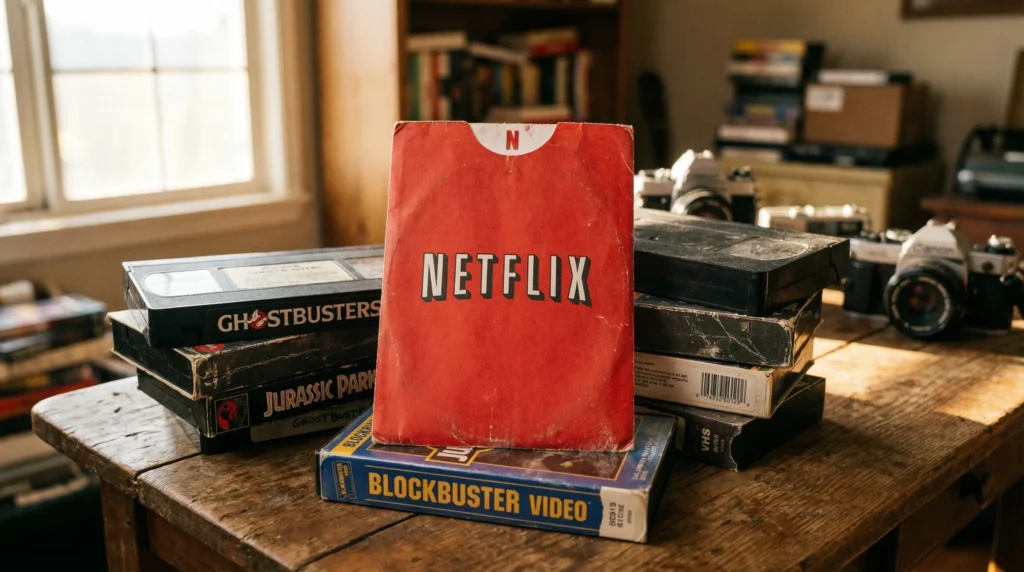
In 2000, Netflix founders Reed Hastings and Marc Randolph flew to Dallas to meet Blockbuster’s CEO. They offered to sell Netflix for $50 million.
Blockbuster laughed them out of the room. Today, Blockbuster is dead, and Netflix is worth over $200 billion. It is widely considered one of the biggest Expensive Business Mistakes of all time.
⚡ Fun Fact: There is only one Blockbuster store left in the world (in Bend, Oregon).
2. Excite Passes on Google
In 1999, Larry Page and Sergey Brin wanted to sell Google to Excite for $1 million. They even negotiated the price down to $750,000.
Excite’s CEO George Bell said no. He thought Google’s search engine was “too good” because it sent users away from the site too fast. Google is now worth nearly $2 trillion.
⚡ Fun Fact: Excite was eventually sold to Ask Jeeves and faded into obscurity.
3. Kodak Ignores Digital Cameras
Kodak actually invented the first digital camera in 1975. But executives hid the technology because they were afraid it would kill their film business.
They were right about the film business dying, but by ignoring the future, they went bankrupt in 2012.
⚡ Fun Fact: The first digital camera was the size of a toaster and took 23 seconds to save a photo.
4. Yahoo Lowballs Facebook
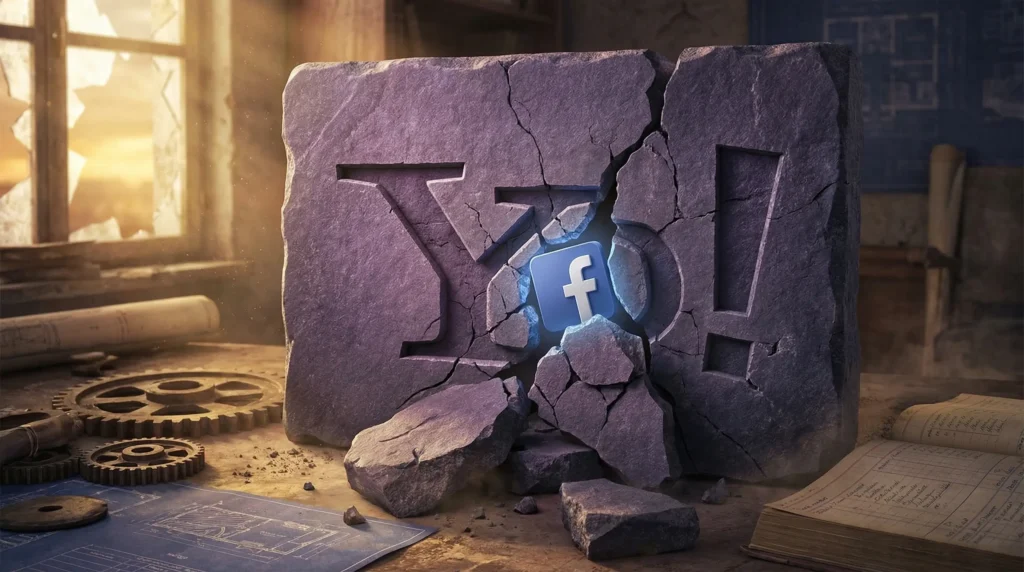
In 2006, Yahoo offered to buy Facebook for $1 billion. Mark Zuckerberg verbally agreed. But then, Yahoo’s stock dropped slightly, and they lowered the offer to $850 million.
Zuckerberg was insulted and walked away. If Yahoo had just paid the original price, they would own social media today.
⚡ Fun Fact: Yahoo also had the chance to buy Google in 2002 but refused.
5. Mars Refuses “E.T.”
The makers of the movie “E.T.” wanted the alien to eat M&Ms. They asked the Mars company for permission, but Mars said no.
So, the producers went to Hershey’s, who offered “Reese’s Pieces.” After the movie, sales of Reese’s Pieces tripled overnight.
⚡ Fun Fact: This is considered the first major product placement success in history.
6. Selling 10% of Apple for $800
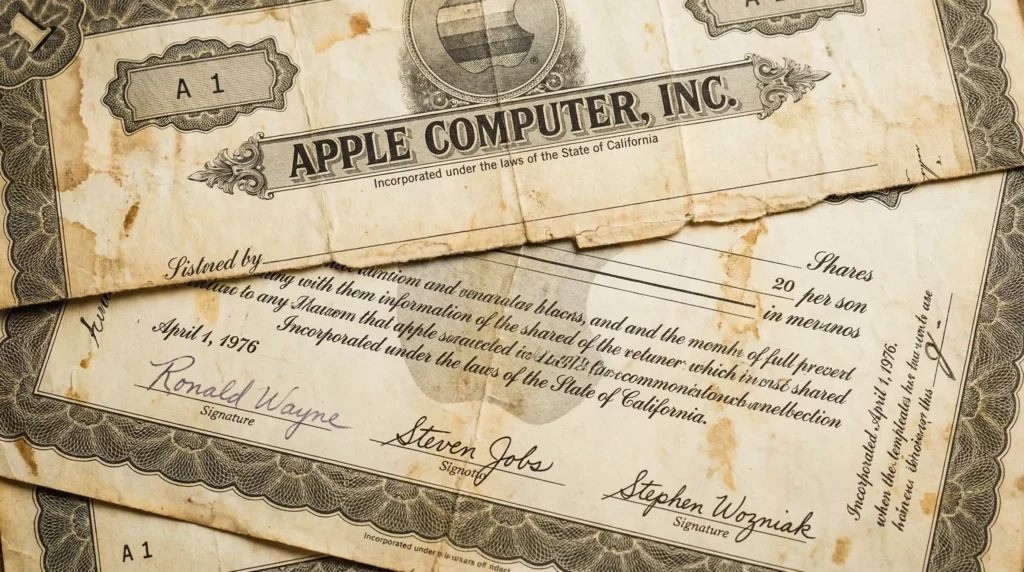
Everyone knows Steve Jobs and Steve Wozniak, but there was a third founder: Ronald Wayne. He owned 10% of Apple.
Worried about debt, he sold his 10% stake back to them after just 12 days for $800. Today, that 10% would be worth over $200 billion.
⚡ Fun Fact: He says he doesn’t regret it because the stress would have killed him.
7. Western Union Rejects the Telephone

In 1876, Alexander Graham Bell offered his patent for the telephone to Western Union (the telegraph giant) for $100,000.
The president of Western Union laughed and called the telephone “an electric toy.” Two years later, he admitted if he could buy it for $25 million, it would be a bargain.
⚡ Fun Fact: This is a classic example of “Innovator’s Dilemma.”
8. New Coke
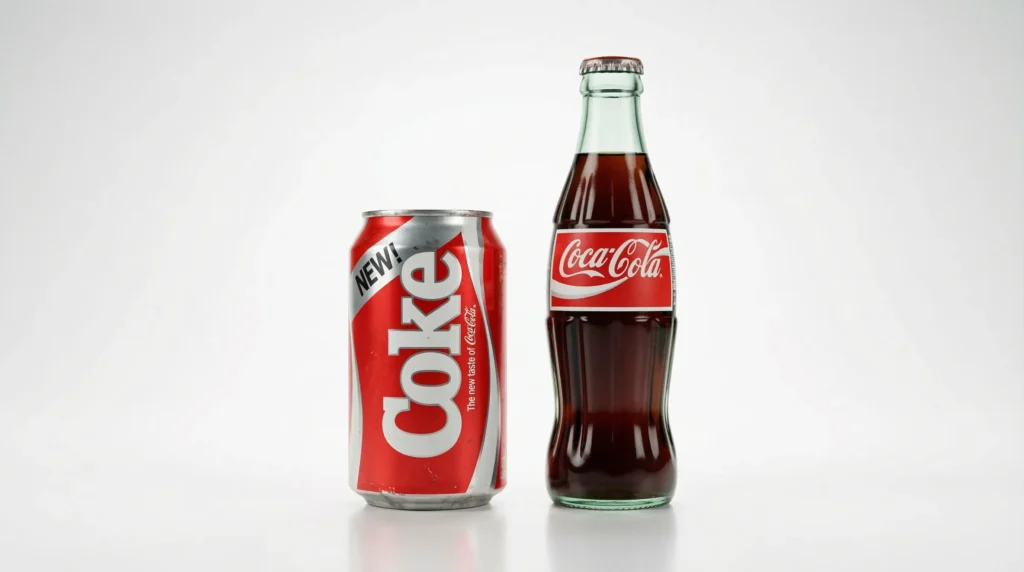
In 1985, Coca-Cola changed its 99-year-old secret formula to compete with Pepsi. They called it “New Coke.”
The public hated it. People protested in the streets. After 79 days of chaos, they brought back the original formula. This marketing disaster is one of the most cited Expensive Business Mistakes.
⚡ Fun Fact: Some theorists believe they did it on purpose to switch from sugar to corn syrup.
9. Motorola Misses Smartphones
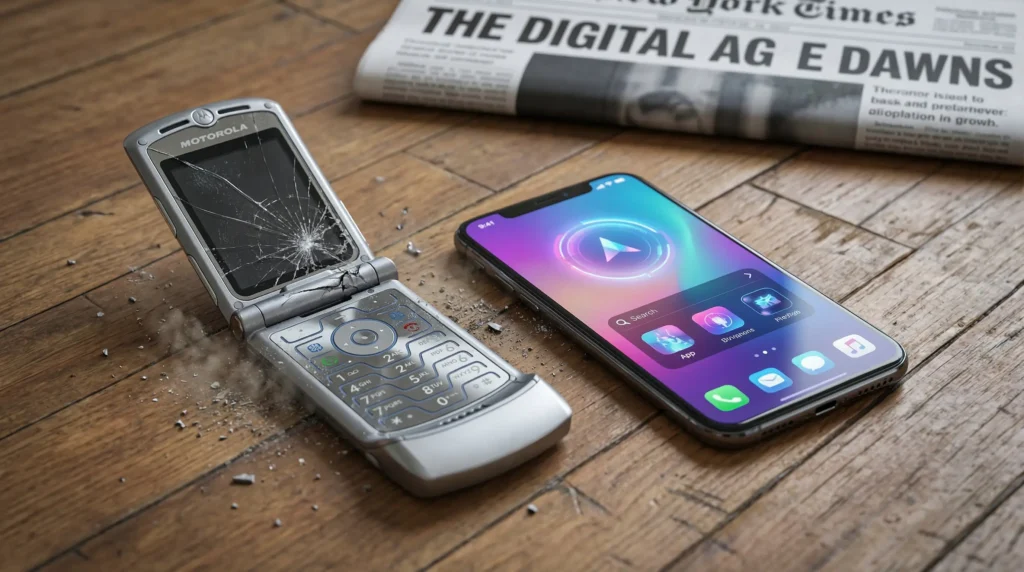
In the early 2000s, the Motorola Razr was the coolest phone on earth. But Motorola refused to innovate.
They ignored the rise of touchscreens and data. When the iPhone launched in 2007, Motorola was left behind. Their market share collapsed within a few years.
⚡ Fun Fact: Motorola was eventually bought by Google, then sold to Lenovo.
10. Decca Records Rejects The Beatles
In 1962, Decca Records auditioned a young band called The Beatles. They rejected them, saying “guitar groups are on the way out.”
The Beatles signed with EMI instead and became the biggest band in history. It is one of the most famous Expensive Business Mistakes in music industry history.
⚡ Fun Fact: To make up for it, Decca signed The Rolling Stones shortly after.
Conclusion
These stories teach us that even the smartest executives can make Expensive Business Mistakes. The key is to stay humble and open to innovation.
For more stories on business failures, check out Business Insider.