
Do you trust your memory? You shouldn’t. There is a psychological phenomenon where millions of people share the same false memory. It’s called the Mandela Effect.
Unlike Unsolved Mysteries which are external puzzles, this mystery is inside your own head. Scientists studying these Mandela Effect Examples suggest our brains might simply be glitching.
Prepare to question reality. Here are 10 mind-blowing Mandela Effect Examples that you swear are real.
Table of Contents
10 Memories That Never Happened
1. Pikachu’s Tail

Close your eyes and picture Pikachu. Does his tail have a black tip? If you said yes, you are wrong.
Pikachu’s tail has always been solid yellow (with a brown base). Millions of fans are convinced they remember a black tip, possibly confusing it with his ears.
⚡ Fun Fact: There is no official artwork of Pikachu with a black-tipped tail.
2. The Monopoly Man’s Monocle
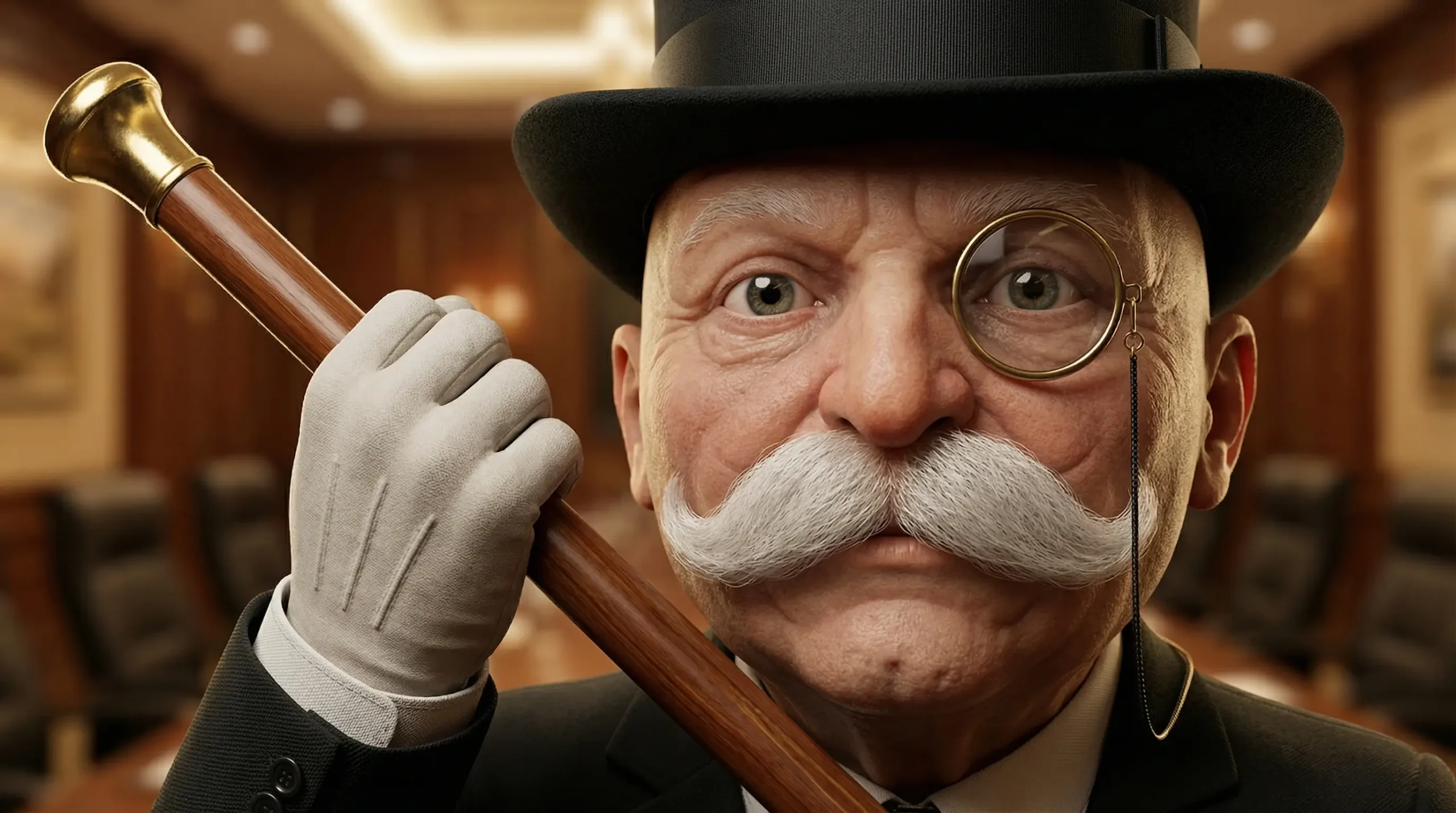
Rich Uncle Pennybags, the face of Monopoly. He wears a tuxedo, a top hat, and a monocle, right?
Wrong. He has never worn a monocle. This is one of the most famous Mandela Effect Examples in pop culture. People often confuse him with Mr. Peanut.
⚡ Fun Fact: In “Ace Ventura: When Nature Calls,” Jim Carrey jokes about the monocle, fueling the false memory.
3. “Luke, I Am Your Father”
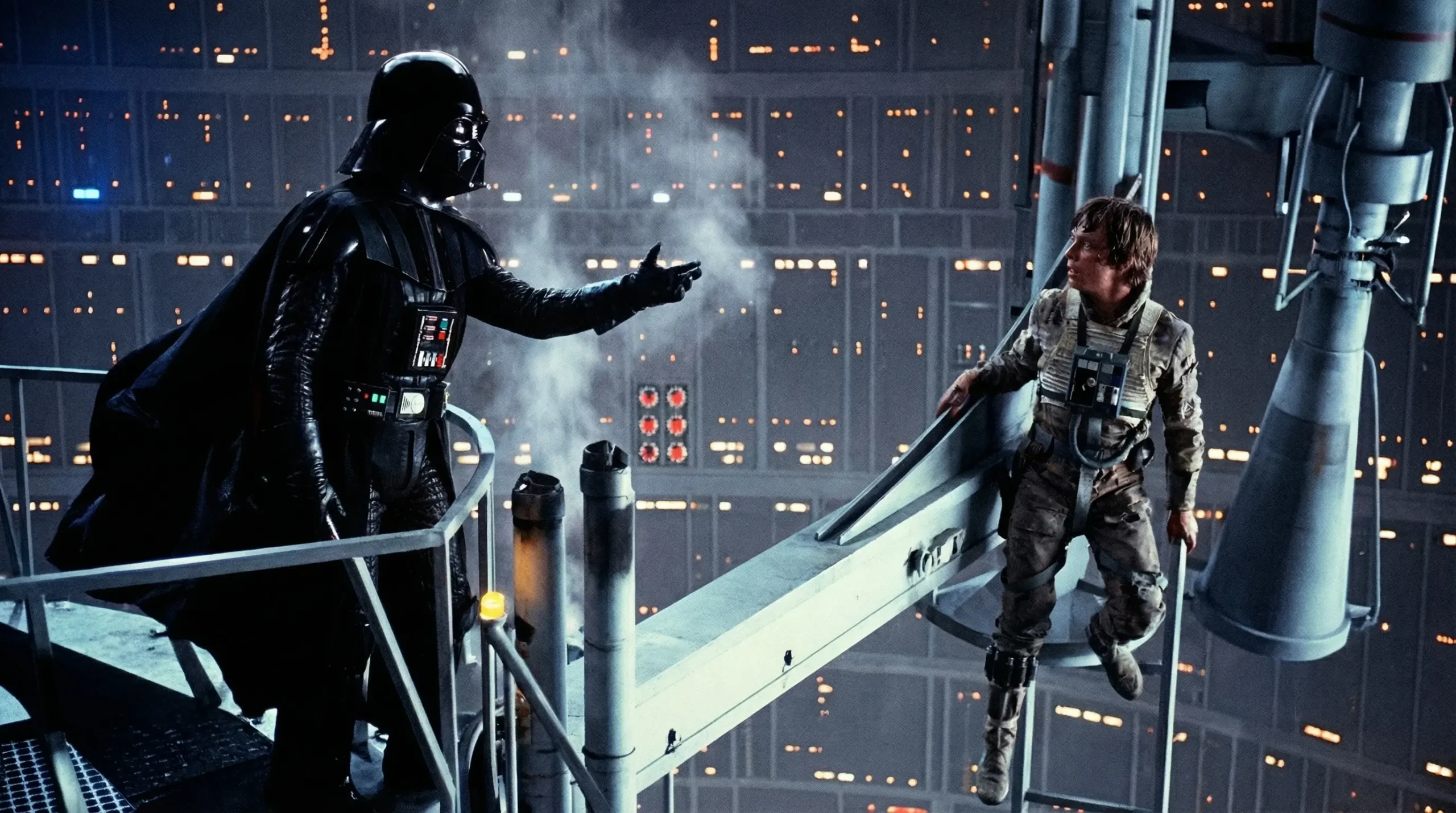
This is the most famous movie line in history. Except Darth Vader never said it.
The actual line is: “No, I am your father.” Pop culture has misquoted it for so long that our brains have rewritten the script.
⚡ Fun Fact: Even James Earl Jones (Vader’s voice actor) remembers the line incorrectly in this video.
4. Kit-Kat’s Dash
Many people distinctly remember a hyphen in the candy bar’s name: “Kit-Kat”.
However, there is no dash. It has always been “KitKat”. The font style makes it easy for our brain to insert a separator where there isn’t one.
⚡ Fun Fact: There was a dash only in very old 1930s versions, but not in modern memory.
5. Looney Toons vs. Tunes
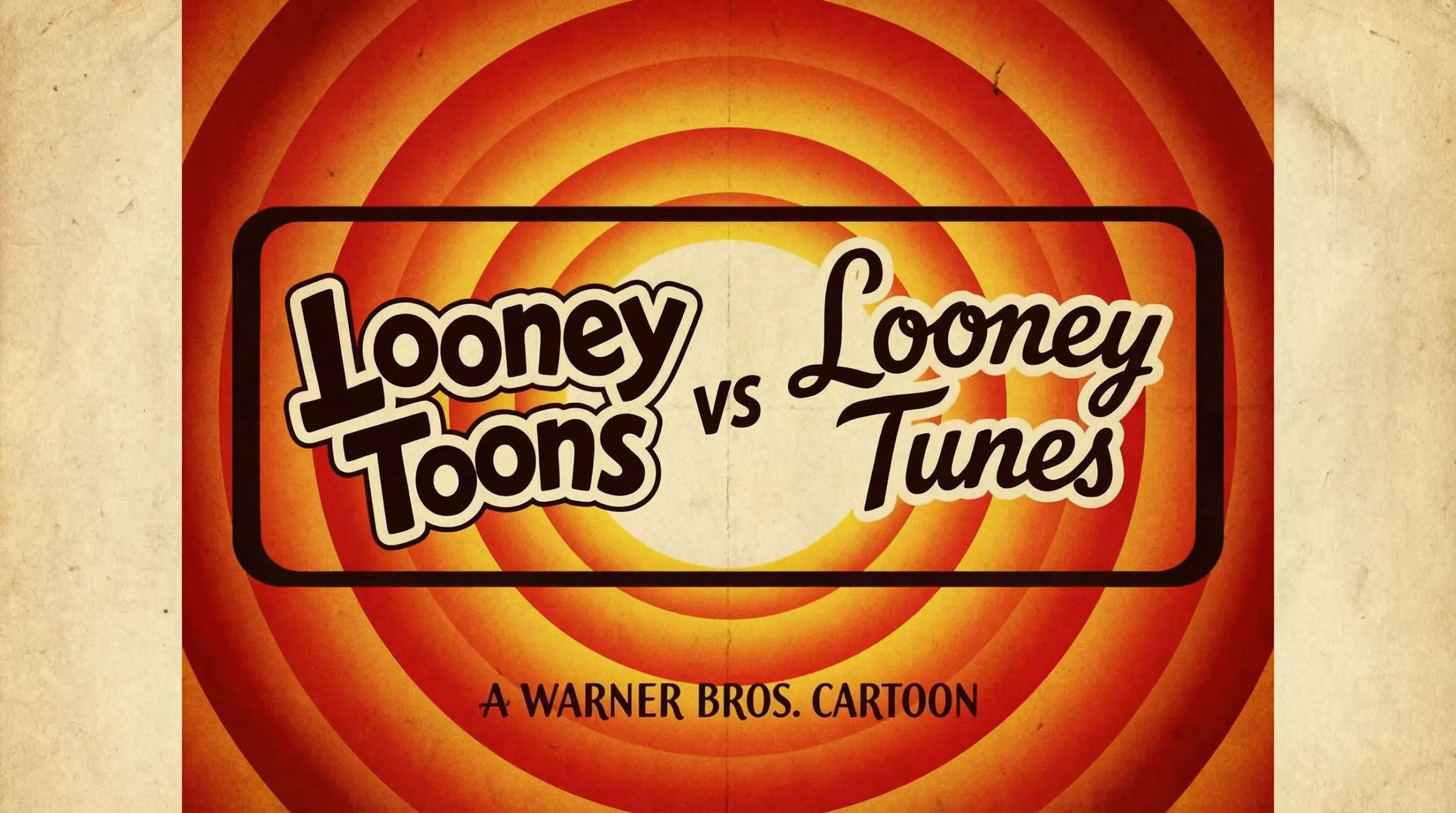
Since it is a cartoon, it makes sense for it to be spelled “Looney Toons.” But look closely at the logo.
It is actually “Looney Tunes.” This is because it was originally created to compete with Disney’s “Silly Symphonies” (music tunes).
⚡ Fun Fact: The spin-off “Tiny Toon Adventures” actually uses “Toon,” adding to the confusion.
6. Fruit of the Loom Cornucopia
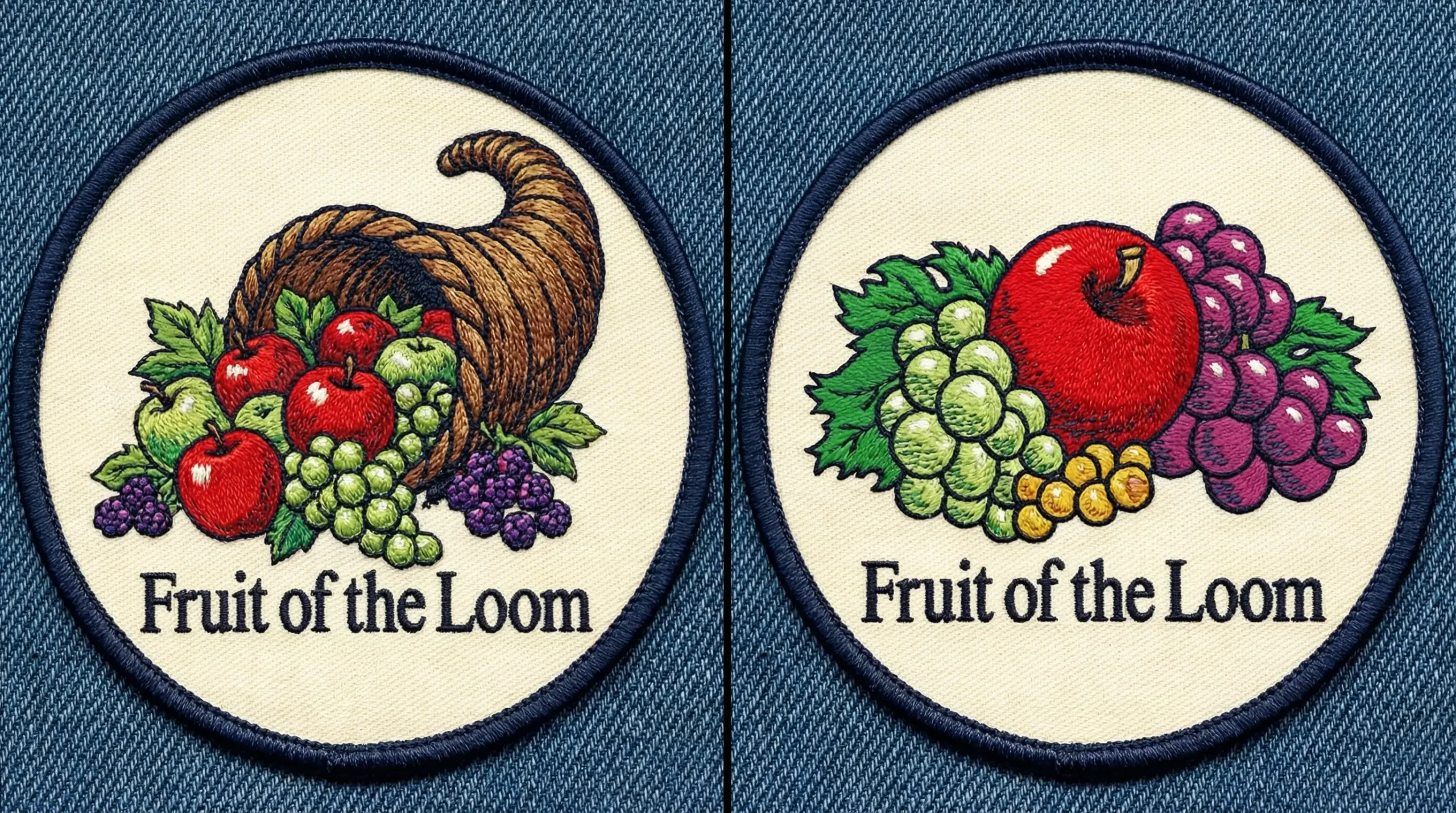
Ask anyone what the logo looks like. They will describe fruit spilling out of a cornucopia (a woven basket horn). It is one of the strangest Mandela Effect Examples because people remember it so vividly.
The company insists the logo has never had a cornucopia. It has always been just a pile of fruit.
⚡ Fun Fact: Many people learned the word “cornucopia” specifically from this logo.
7. Curious George’s Tail
He is a monkey, so he must have a tail, right? You probably remember him hanging from trees by his long tail.
Curious George does not have a tail. He never has. Technically, this makes him an ape, not a monkey, despite what the books say.
⚡ Fun Fact: Barbary macaques are the only monkeys without tails, but George isn’t one.
8. “We Are The Champions…”
Sing the end of the song: “We are the champions… of the world!” We all hear it in our heads.
But in the original studio recording, the song just ends after “We are the champions.” The phrase “of the world” is missing. Freddie only added it during live concerts.
⚡ Fun Fact: This drives karaoke singers crazy every single day.
9. C-3PO’s Silver Leg
The golden droid from Star Wars is entirely gold, right? Look again. This is one of the most surprising Mandela Effect Examples for sci-fi fans.
In the original trilogy, C-3PO has one silver leg (the right one below the knee). It is clearly visible in many scenes, yet almost no one remembers it.
⚡ Fun Fact: Most toys and merchandise mistakenly paint him all gold.
10. Nelson Mandela’s Death
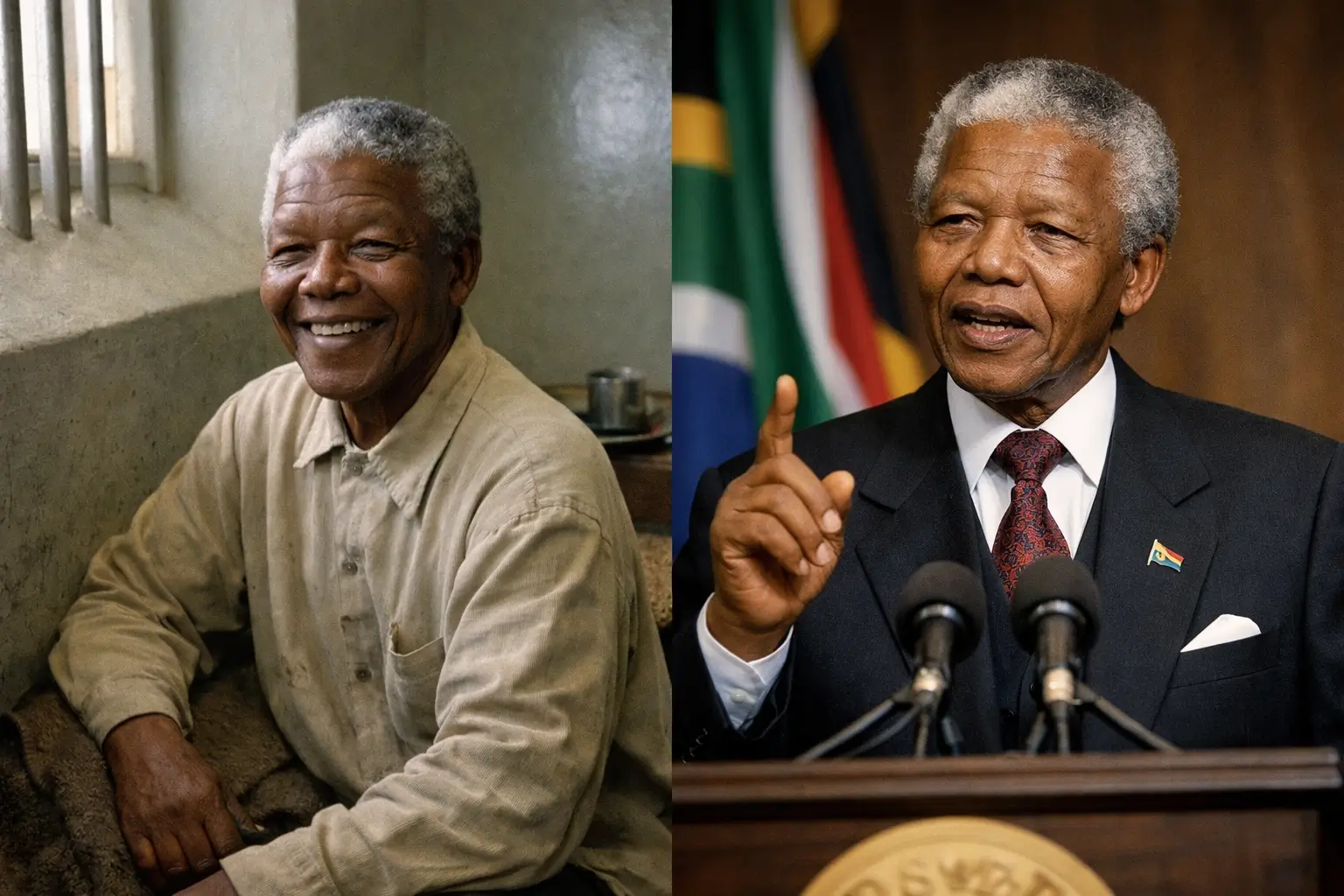
This is the one that started it all. Thousands of people distinctly remember Nelson Mandela dying in prison in the 1980s. They even remember his funeral on TV.
In reality, he was released, became President of South Africa, and died in 2013. Read more about the science of false memories on Healthline.
⚡ Fun Fact: The term “Mandela Effect” was coined by Fiona Broome in 2009.
Why Does the Mandela Effect Happen?
Scientists and psychologists have spent years trying to explain Mandela Effect Examples. The most widely accepted explanation is memory reconstruction.
Human memory is not like a video recording. Every time you recall a memory, your brain slightly rewrites it. Outside influences — conversations, images, and suggestions — can alter what you remember without you even realizing it. Over time, a false memory feels just as real as a true one.
Another theory involves social reinforcement. When millions of people discuss a false memory online, it spreads rapidly. Someone who was never sure suddenly becomes convinced. The internet has made the Mandela Effect far more powerful than ever before.
More Fascinating Mandela Effect Examples
The rabbit hole of Mandela Effect Examples goes much deeper than most people realize.
Monopoly Man’s Monocle — Millions of people clearly remember the Monopoly Man wearing a monocle. He never did. Not in a single version of the game in its entire history.
Coca-Cola Logo — Many people insist there is a hyphen between “Coca” and “Cola” in the logo. There is not and never has been.
Mirror Mirror on the Wall — Almost everyone quotes Snow White’s evil queen saying “Mirror, mirror on the wall.” The actual line in the film is “Magic mirror on the wall.”
Fruit of the Loom Logo — Countless people remember a cornucopia behind the fruit in the logo. No cornucopia has ever appeared in the design.
The Mandela Effect and Parallel Universes
One of the most popular — and controversial — explanations for Mandela Effect Examples is the parallel universe theory.
Some people believe that shared false memories are actually real memories from an alternate timeline. According to this idea, at some point in history, two parallel realities merged. People carried their old memories into the new timeline, creating widespread confusion.
Mainstream science does not support this theory. However, it remains fascinating because it raises deep questions about the nature of reality and human consciousness. Whether you believe in parallel universes or not, the Mandela Effect proves one undeniable truth — our memories are far less reliable than we think.
Conclusion
Our brains are not video recorders; they are storytellers. These Mandela Effect Examples show that memory is fragile and easily rewritten.
Which of these memories did you think was real?