
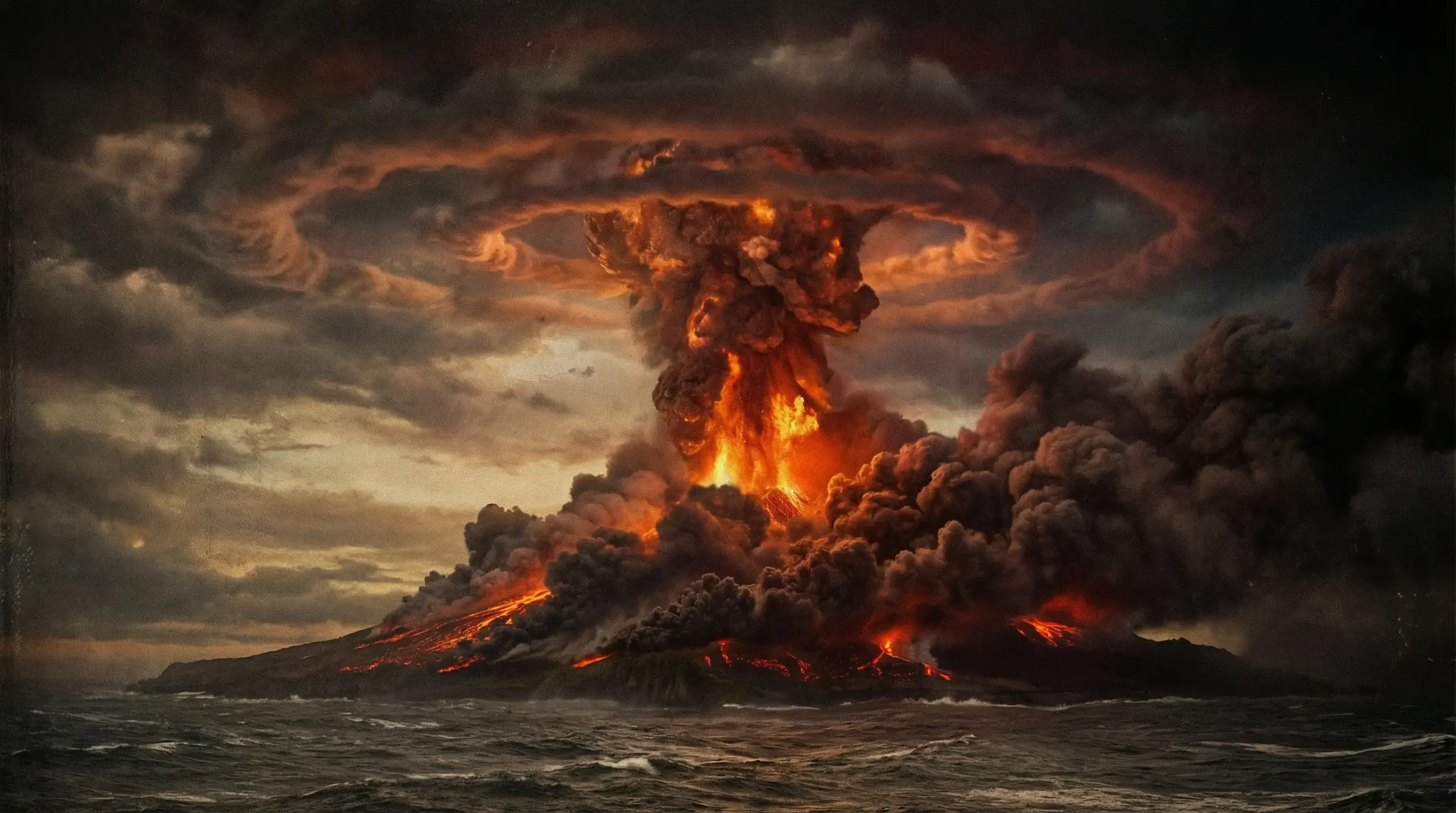
We think we control the planet, but nature often reminds us who is really in charge. Throughout time, Natural Disasters That Changed History have wiped out civilizations, altered the climate, and reshaped maps.
More powerful than any Dangerous Computer Virus, these events unleashed pure energy. From volcanoes that darkened the sun to waves that swallowed cities, here are 10 Natural Disasters That Changed History.
Respect the power of Earth. Here are the events that shook the world.
Table of Contents
Top 10 Natural Disasters That Changed History
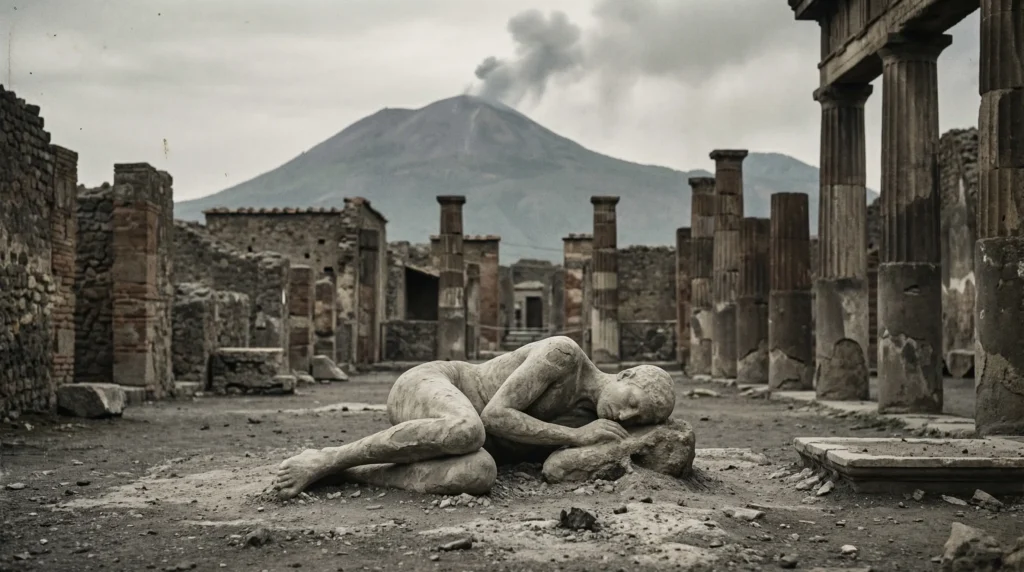
1. The Eruption of Mount Vesuvius (79 AD)
It happened so fast that people were frozen in time. In 79 AD, Mount Vesuvius erupted, burying the Roman city of Pompeii under 20 feet of ash.
It wasn’t just a tragedy; it preserved Roman life perfectly for 2,000 years, giving historians unprecedented insight into the past.
⚡ Fun Fact: The energy released was 100,000 times the thermal energy of the Hiroshima bomb.
2. The Great Lisbon Earthquake (1755)
On All Saints’ Day, a massive earthquake struck Lisbon, Portugal, followed by a tsunami and fires. It destroyed one of the richest cities in Europe.
This disaster changed philosophy forever. It made thinkers like Voltaire question religion and led to the birth of modern seismology (the study of earthquakes).
⚡ Fun Fact: The King of Portugal developed a phobia of walls and lived in a tent city for years.
3. Mount Tambora (1815)
This was the largest volcanic eruption in recorded history. It was so huge it changed the global climate.
The ash blocked the sun, causing “The Year Without a Summer” in 1816. Snow fell in July in New York, and crops failed worldwide, leading to mass starvation.
⚡ Fun Fact: During the cold gloomy summer, Mary Shelley stayed indoors and wrote “Frankenstein.”
4. Krakatoa (1883)
When Krakatoa erupted in Indonesia, it produced the loudest sound ever heard in modern history. It ruptured eardrums of sailors 40 miles away.
The sound was heard 3,000 miles away (like hearing a noise in New York from London). The shockwave circled the globe 7 times.
⚡ Fun Fact: The ash in the atmosphere turned sunsets red for years, inspiring the painting “The Scream.”
5. The Great Galveston Hurricane (1900)
This remains the deadliest natural disaster in US history. A massive Category 4 hurricane hit the island city of Galveston, Texas.
It killed between 6,000 and 12,000 people. As one of the pivotal Natural Disasters That Changed History, it led to the construction of massive seawalls and changed how we predict weather.
⚡ Fun Fact: The meteorologist at the time ignored warnings from Cuba, thinking the storm would turn.
6. The Tunguska Event (1908)
A massive explosion flattened 80 million trees in Siberia. It had the energy of 185 Hiroshima bombs, yet it left no crater.
Scientists believe it was a meteor that exploded in the air. If it had hit a major city like London, millions would have died instantly.
⚡ Fun Fact: The explosion was so bright that people in London could read newspapers at night.
7. The 1931 China Floods
This is considered the deadliest natural disaster of the 20th century. After a long drought, heavy rains caused the Yangtze River to burst.
It affected 51 million people and the death toll is estimated to be between 1 million and 4 million. It is a tragic reminder of water’s power.
⚡ Fun Fact: The high water levels famously reached the streets of Nanjing city.
8. The 1960 Valdivia Earthquake
This was the strongest earthquake ever recorded, registering a massive 9.5 magnitude in Chile. It was so strong it changed the shape of the Earth.
The quake triggered tsunamis that traveled across the Pacific Ocean, hitting Hawaii and even Japan hours later.
⚡ Fun Fact: The shockwaves shook the entire planet for several days.
9. The 2004 Indian Ocean Tsunami
On Boxing Day, a 9.1 magnitude earthquake struck undersea off Sumatra. It created 100-foot waves that devastated 14 countries.
Over 230,000 people lost their lives. This disaster led to the creation of a global tsunami warning system that didn’t exist before.
⚡ Fun Fact: The energy released was equal to 23,000 Hiroshima atomic bombs.
10. The 2011 Tōhoku Earthquake
This earthquake shifted the entire island of Japan by 8 feet. The resulting tsunami caused the Fukushima nuclear disaster.
It was the most expensive of all Natural Disasters That Changed History, costing over $360 billion. It changed how the world views nuclear energy safety.
⚡ Fun Fact: The quake shortened the length of a day on Earth by 1.8 microseconds.
Conclusion
From ancient Rome to modern Japan, these Natural Disasters That Changed History show that civilization is fragile. We can build walls, but we cannot control the planet.
Which event do you find most terrifying? Read more on National Geographic.