
I found myself absolutely captivated by these forgotten workers. It actually reminded me of researching the 10 Hidden Biographies of Famous Figures That Nobody Talks About, where you realize history books leave out the most colorful details. Keep reading, because some of these weird occupations will make you incredibly grateful for your current desk job.
What were the most bizarre occupations in history?
The most bizarre historical jobs included royal bathroom attendants, professional dog feces collectors, human alarm clocks, and sewer scavengers. These strange occupations were entirely normal centuries ago but vanished as technology, sanitation, and modern medicine advanced throughout the industrial revolution.
📋 Table of Contents
Historical Jobs That Defy Belief
Looking back at how people survived in previous centuries is a fascinating exercise in human ingenuity. The gig economy is not a modern invention. Hundreds of years ago, people found incredibly creative, dangerous, and downright gross ways to earn a few coins.
Many of these bizarre historical jobs were born out of absolute necessity. What amazed me most was learning that some of these roles were actually highly respected, while others made the workers outcasts of society.
| # | Name | Key Fact |
|---|---|---|
| 1 | Groom of the Stool | A highly sought-after royal bathroom attendant. |
| 2 | Knocker-Upper | Human alarm clocks who tapped on windows. |
| 3 | Resurrectionist | Grave robbers supplying bodies to medical schools. |
| 4 | Gong Farmer | Workers who shoveled out Tudor cesspits. |
| 5 | Whipping Boy | Took physical punishment on behalf of young princes. |
| 6 | Leech Collector | Used their own legs as bait to catch medical leeches. |
| 7 | Tosher | Scavenged through raw sewage for lost coins. |
| 8 | Pure Finder | Collected dog feces for leather tanneries. |
| 9 | Human Computer | Did complex math by hand before electronic calculators. |
| 10 | Phrenologist | Read head bumps to determine personality traits. |
1. Groom of the Stool
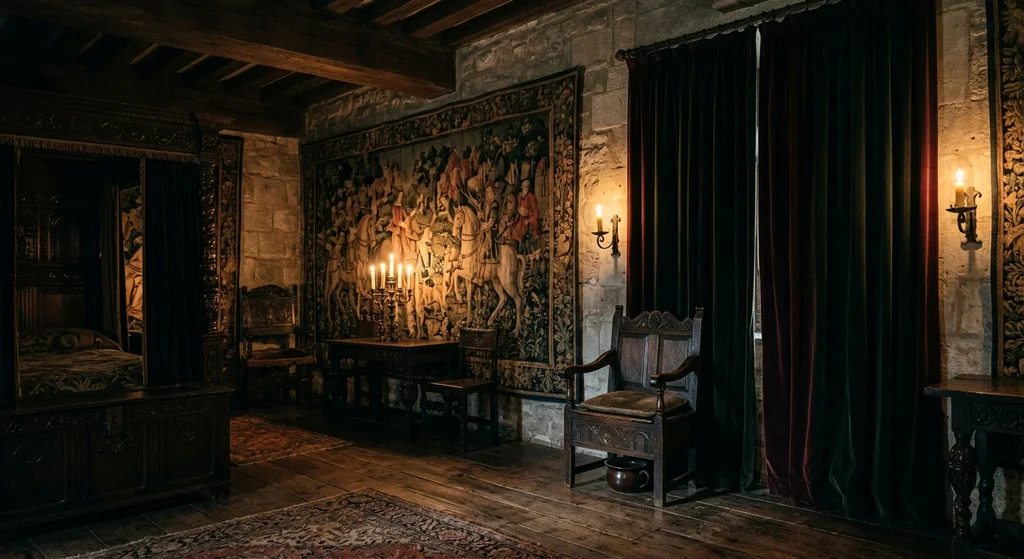
If you think your boss is demanding, you will be utterly fascinated by the Groom of the Stool. This position was created during the Tudor period in England. The job was exactly what it sounds like: assisting the king with his personal bathroom habits.
I was shocked to discover that this wasn’t a punishment. It was actually one of the most coveted jobs in the royal court. Because this servant spent intimate, private time with the monarch, they became incredibly trusted confidants.
The Groom of the Stool often ended up wielding massive political power. They controlled access to the king, listened to his private thoughts, and even managed royal finances. It just goes to show how bizarre historical jobs could completely flip the modern idea of status.
Nobles would literally fight for the privilege of wiping the king’s bottom. The role eventually evolved into a more administrative position, but its messy origins remain a fascinating piece of royal history.
2. The Knocker-Upper
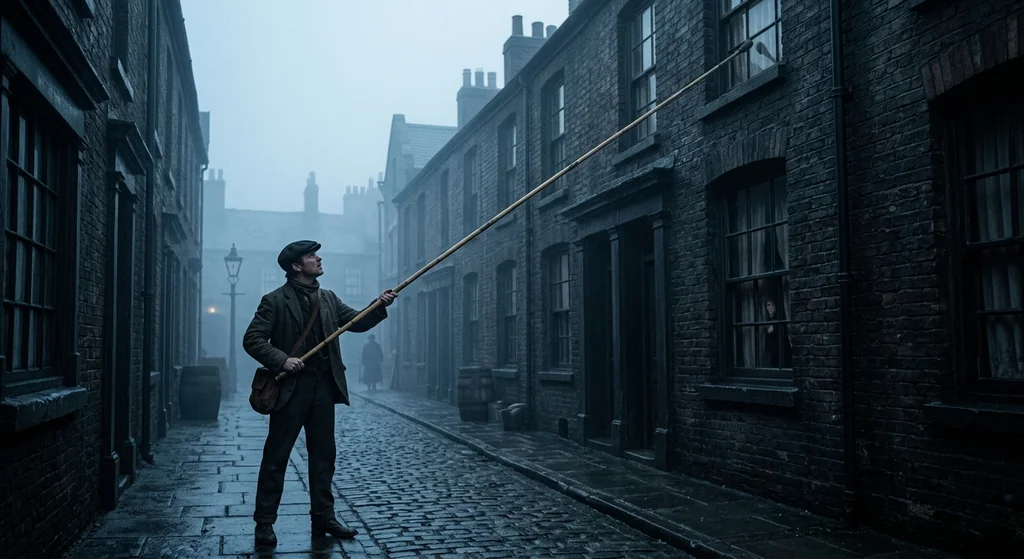
Before the invention of affordable mechanical alarm clocks, waking up on time was a serious challenge. During the Industrial Revolution, factory workers faced strict penalties if they were late. This necessity created the unusual profession of the knocker-upper.
These human alarm clocks would walk the streets before dawn. They used long bamboo poles to tap on second-story bedroom windows. It was a simple but incredibly effective way to make sure clients woke up for their early shifts.
I loved learning about the creative methods these workers used. Some knocker-uppers, like the famous Mary Smith in London, actually used a pea shooter. She would shoot dried peas at her clients’ windows until she saw them get out of bed.
They earned a few pence a week for their services. The profession surprisingly lasted well into the 1920s in some parts of England before affordable clock technology finally put them out of business.
3. Resurrectionists
Medical science made massive leaps in the 18th and 19th centuries, but doctors faced a huge problem. They needed human bodies to study anatomy, but the law only allowed them to use the corpses of executed criminals. This massive shortage created the macabre job of the resurrectionist.
Also known as body snatchers, these men made a highly lucrative living by digging up fresh graves in the dead of night. They would carefully extract the body, smooth over the dirt to hide their tracks, and sell the remains to medical schools.
It sounds like something out of a horror movie, but it was a booming industry. Anatomists asked zero questions about where the bodies came from. They simply paid premium prices for fresh subjects.
The practice only stopped when laws were finally changed to provide legal cadavers to medical schools. Until then, families had to hire guards or install iron cages over graves to protect their deceased loved ones.
4. Gong Farmers
Imagine a job so filthy that you were legally only allowed to do it in the middle of the night. Gong farmers were the unsung heroes of medieval sanitation. Before sewer systems, human waste went straight into deep pits beneath houses.
When these cesspits filled up, someone had to shovel them out by hand. Gong farmers would descend into the muck, load the waste into wooden barrels, and cart it out of the city limits. It was backbreaking, disgusting labor.
According to , they were paid incredibly well for their suffering. They earned about three times the daily wage of a normal laborer. However, the health risks were astonishingly high.
They risked suffocation from toxic fumes and exposure to terrible diseases. Despite the danger, their role was absolutely vital. Without them, major cities would have literally drowned in their own filth.
5. The Whipping Boy
Growing up as a young prince came with a massive perk: you were believed to be appointed by God. Because of the Divine Right of Kings, common tutors were not allowed to strike a royal child. But young princes still misbehaved, which created the role of the whipping boy.
A whipping boy was a young companion raised right alongside the prince. They shared lessons, played together, and formed a deep emotional bond. The catch was incredibly unfair.
Whenever the prince failed a test or misbehaved, the whipping boy received the physical beating instead. The psychological theory was that seeing their best friend hurt would make the prince feel guilty and behave better.
It is one of the most bizarre historical jobs because the worker’s only task was to suffer. However, many whipping boys grew up to receive massive estates and royal titles as a thank you for their childhood pain.
6. Leech Collectors
During the 18th and 19th centuries, bloodletting was the cure for almost every illness. Doctors believed that removing bad blood would balance the body’s humors. The preferred method for this was applying live leeches, which created a massive demand.
Leech collectors had a remarkably grim way of gathering their inventory. Mostly women, these workers would wade bare-legged into murky ponds and marshes. They literally used their own bodies as bait.
They would wait until several leeches attached to their calves. Then, they would step out of the water, peel the blood-suckers off, and drop them into a box. It was a uniquely painful way to make a living.
These workers often suffered from severe blood loss and chronic infections. The trade was so massive that Europe nearly ran out of leeches by the late 1800s, forcing doctors to finally rethink their medical practices.
7. Toshers and Mudlarks
If you think modern garbage collection is tough, you need to meet the Victorian toshers. These incredibly brave scavengers made their living in the pitch-black, highly toxic sewers under the streets of London. It was a deeply underground economy.
They hunted for coins, dropped jewelry, scrap metal, and anything of value that washed down the drains. They wore canvas aprons with massive pockets to store their finds. The conditions were absolutely wretched, full of rats and raw sewage.
I find this fascinating because it perfectly mirrors the strange hidden worlds mentioned in the 10 Incredible Underground Cities That Actually Exist. There is a whole alternate society functioning right beneath our feet.
Toshers could actually make a surprisingly good living if they got lucky. Meanwhile, their surface-level counterparts, called Mudlarks, scavenged the muddy banks of the River Thames at low tide looking for similar dropped treasures.
8. Pure Finders
I promised you some truly bizarre historical jobs, and the Pure Finder certainly delivers. In Victorian London, the leather tanning industry was absolutely massive. Bookbinding, horse tackle, and shoes all required high-quality leather.
To make the leather soft and supple, tanners used an acidic paste to break down the animal hides. The main ingredient in this paste was dog feces. They ironically called it “pure” because of its purifying effect on the leather.
Pure finders walked the streets with covered buckets, scooping up every piece of dog waste they could find. White feces, from dogs eating bones, was considered the highest quality and fetched premium prices.
It was a fiercely competitive job. Many pure finders would actually make deals with local dog owners or hang around kennels to ensure a steady supply of this awful, yet valuable, commodity.
9. Human Computers
Long before microchips and laptops existed, the word “computer” referred to a human being. Whenever scientists, astronomers, or military engineers needed massive mathematical calculations done, they hired rooms full of people to do the math by hand.
This job required incredible patience, sharp focus, and a deep understanding of numbers. What amazed me most is that women dominated this field. In the late 19th and early 20th centuries, it was one of the few scientific jobs open to females.
At Harvard University, a famous group of women mapped the stars using purely manual calculations. During World War II, human computers calculated complex artillery trajectories for the military.
These brilliant minds paved the way for modern programming. When mechanical and electronic computers finally arrived, many of these human calculators transitioned seamlessly into becoming the world’s first software engineers.
10. Phrenologists
In the 1800s, people were obsessed with understanding human behavior. This led to the massive popularity of a bizarre historical job known as the phrenologist. These practitioners claimed they could read a person’s character simply by feeling their skull.
Phrenology was based on the false idea that different parts of the brain controlled different traits. They believed that if you were highly generous or incredibly greedy, that specific area of your brain would bulge, causing a bump on your skull.
People paid very good money to have their heads examined. Phrenologists set up fancy parlors in major cities. They would carefully measure skulls with calipers and hand the customer a detailed personality report.
The practice was taken so seriously that some employers required a phrenology report before hiring a new worker. Modern science eventually proved it was complete nonsense, but it remains a fascinating look at early psychological theories.
Final Thoughts
Looking back at these bizarre historical jobs makes you appreciate how far society has come. From dodging raw sewage in underground tunnels to waking up strangers with a pea shooter, human resilience is truly astonishing. If you loved diving into this strange slice of the past, you should definitely check out the 10 Incredible Real-Life Heists That Sound Like Movies for more wild historical adventures. I guarantee it will leave you just as amazed.

Written by the List of Ten Team
We verify every fact using peer-reviewed sources.
Frequently Asked Questions
Why did so many weird occupations exist in the past?
Many unusual jobs were created to solve basic daily problems before modern technology, plumbing, or electricity existed. As the Industrial Revolution progressed, machines and modern infrastructure naturally replaced the need for this kind of intense manual labor.
Did people actually choose to be gong farmers?
Yes, while the work was incredibly dangerous and disgusting, it paid exceptionally well. Laborers who needed to feed their families often took the job because the high wages offered a quick path out of extreme poverty.
Are there any bizarre jobs still around today?
Absolutely! While we no longer have leech collectors, today’s strange professions include professional mourners, golf ball divers, and water slide testers. The gig economy has always found a way to create highly specific niches.
For more on this topic, visit National Geographic and Smithsonian Magazine.