
Look, I always thought animals lived completely in the moment, driven entirely by basic survival instincts and a search for their next meal. But I was genuinely shocked to learn about instances of calculated animal revenge that completely shatter everything we thought we knew about wildlife. Looking for the absolute best facts about calculated animal revenge? You’re in the right place.
It turns out that some creatures possess memories so sharp and emotions so complex that they will actively hunt down those who have crossed them.
We are talking about grudges that span across years, targeted ambushes, and highly organized retaliation against specific individuals. If you enjoyed reading about the 10 Fascinating Secret Languages You Didn’t Know Existed, the secret grudges held by the animal kingdom will absolutely blow your mind.
I spent weeks digging into National Geographic archives, and the stories I found are equal parts amazing and incredibly spooky.
Can animals actually hold grudges against humans?
Yes, numerous scientific studies confirm that certain species exhibit calculated animal revenge against specific humans. Animals like crows, elephants, and octopuses can recognize individual human faces and will methodically exact revenge on those who have previously harmed, annoyed, or threatened them.
📋 Table of Contents
- Overview
- 1. The Generational Grudges of Seattle Crows
- 2. Elephants Trashing Specific Poacher Camps
- 3. The Iberian Orcas Sabotaging Yacht Rudders
- 4. Aquarium Octopuses Bullying Specific Guards
- 5. The Extortionist Macaques of Bali
- 6. Antarctic Skuas Identifying Disguised Scientists
- 7. Australian Magpies Targeting Specific Postmen
- 8. The Notorious Swan Holding River Grudges
- 9. Mockingbirds Memorizing Commuter Faces
- 10. Camels Biding Their Time to Strike Back
- FAQ
The Shocking Reality of Animal Vengeance
When we talk about nature, we usually frame predator and prey dynamics as a strictly business-like relationship based on hunger. But the concept of calculated animal revenge introduces a terrifying level of emotional intelligence into the wild.
These creatures aren’t just reacting blindly to threats in their immediate environment. They are observing us, memorizing our distinct features, communicating our identities to their peers, and waiting for the perfect moment to strike back.
| # | Animal | Key Fact |
|---|---|---|
| 1 | Crows | Pass grudges down to their offspring. |
| 2 | Elephants | Destroy camps of known threats. |
| 3 | Orcas | Target and break sailboat rudders. |
| 4 | Octopuses | Shoot water at annoying staff. |
| 5 | Macaques | Steal phones for food ransom. |
| 6 | Skuas | Recognize scientists through disguises. |
| 7 | Magpies | Swoop specifically on past enemies. |
| 8 | Swans | Target specific kayaks and rowers. |
| 9 | Mockingbirds | Attack people who disturb their trees. |
| 10 | Camels | Wait days to spit at bad handlers. |
1. The Generational Grudges of Seattle Crows
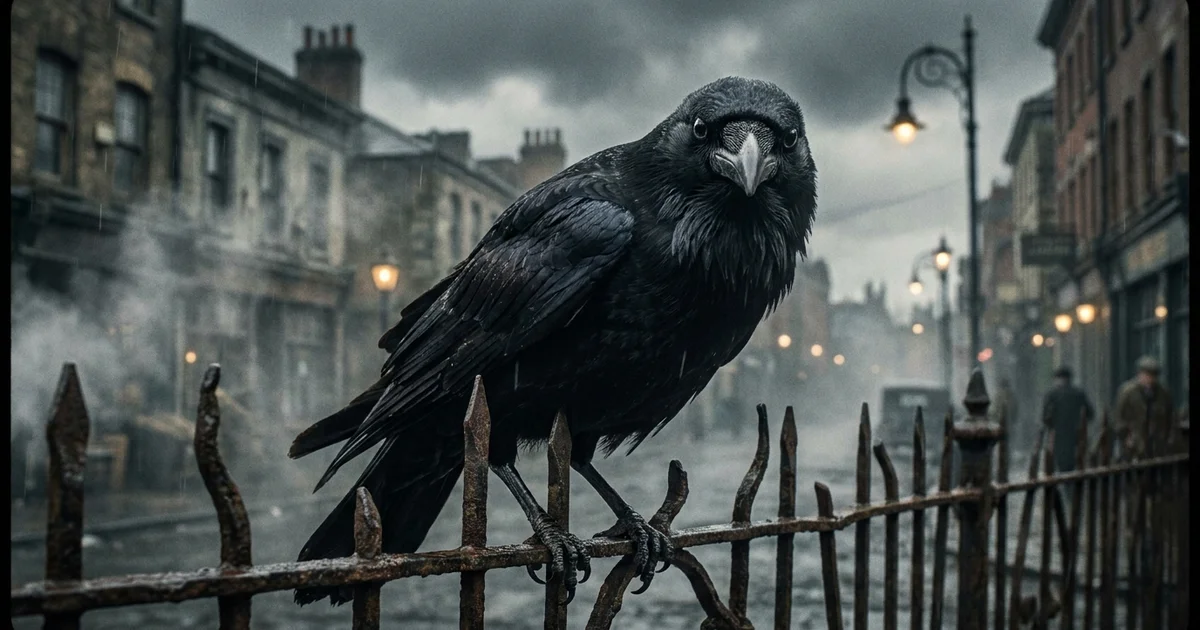
I honestly find crows to be the most intimidating birds on the planet because of what researchers discovered at the University of Washington. Scientists wore specific rubber caveman masks while safely trapping and banding local crows, just to see if the birds would remember them.
Years later, anyone walking around campus wearing that specific mask was instantly mobbed, scolded, and dive-bombed by massive flocks of angry birds. This is the ultimate example of calculated animal revenge because the original birds actually taught their children and neighbors to hate the mask, too.
My Personal Take: It absolutely blows my mind that a bird can effectively start a generational gang war against a specific human face. You definitely do not want to end up on the wrong side of local neighborhood crows, because they will literally ruin your daily commute for years.
2. Elephants Trashing Specific Poacher Camps
We all know the old saying that an elephant never forgets, but I had no idea they used that memory for highly targeted retribution. Across parts of Africa and Asia, there are documented reports of elephants returning to the exact villages of people who previously attacked their herds.
Instead of rampaging blindly, these intelligent giants will specifically target the homes, fences, and camps of the individuals who caused them harm. They have even been known to recognize the specific spoken languages and clothing colors associated with aggressive local groups.
My Personal Take: I think this level of memory proves that elephants process grief and anger almost exactly like humans do. When they tear down a specific poacher’s tent while leaving neighboring tents entirely untouched, it is undeniably a deliberate act of justice.
3. The Iberian Orcas Sabotaging Yacht Rudders – A Prime Example of calculated animal revenge
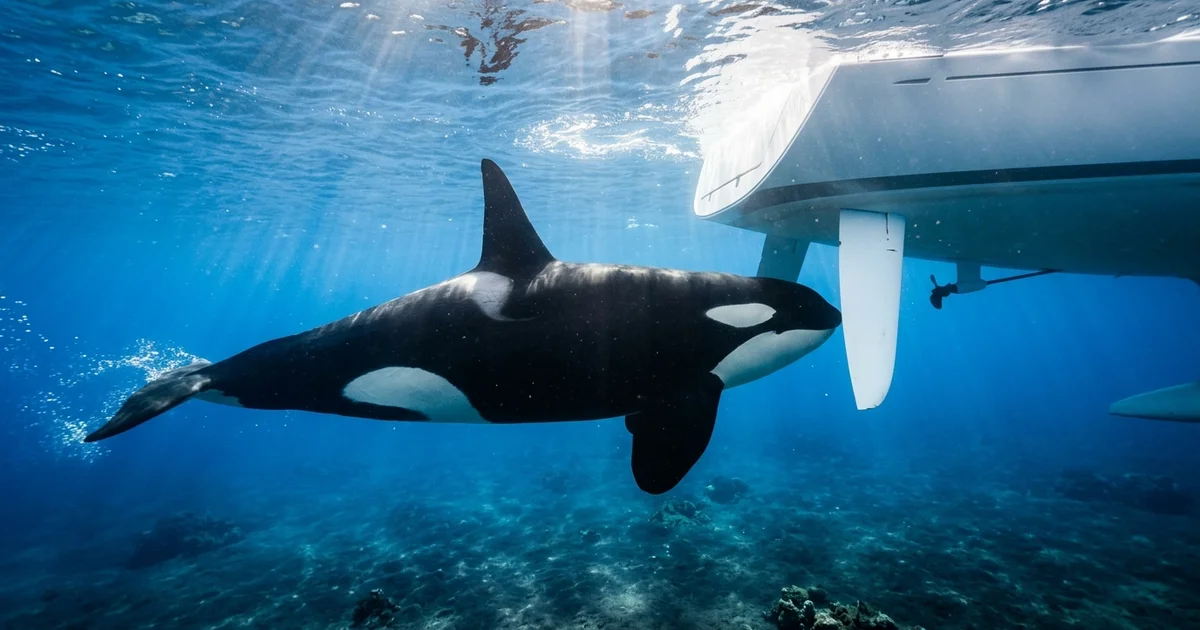
If you have been keeping an eye on ocean news lately, you already know about the bizarrely coordinated strikes happening off the coast of Spain and Portugal. A pod of orcas, led by a female nicknamed White Gladis, has been systematically intercepting luxury sailboats and yachts.
The whales do not attack the humans on board; instead, they surgically ram and completely disable the steering rudders of the boats. Marine biologists suspect White Gladis experienced a traumatic encounter with an illegal fishing boat and has since taught her pod to view all sailboats as enemies.
My Personal Take: This feels less like wild animal behavior and more like a highly organized maritime resistance movement. This brilliant case of calculated animal revenge proves that killer whales are smart enough to identify the mechanical weaknesses of our technology.
4. Aquarium Octopuses Bullying Specific Guards
Octopuses are famously brilliant escape artists, but their capacity for holding petty, personal grudges is absolutely incredible to read about. Aquariums around the world frequently report that certain octopuses will single out one specific staff member they just do not like.
Whenever that unfortunate employee walks past the tank, the octopus will shoot a massive, high-pressure jet of cold water directly into their face. They will completely ignore the hundreds of tourists walking by all day, saving their aquatic artillery exclusively for the one person who annoyed them months ago.
My Personal Take: I find it hilarious that an invertebrate with no bones can be incredibly spiteful toward a human holding a bucket. They will even squirt water at overhead lights they dislike to deliberately short-circuit the aquarium’s electrical system.
5. The Extortionist Macaques of Bali
At the Uluwatu Temple in Bali, the local macaque monkeys have developed a shockingly brilliant way to punish tourists who refuse to feed them. If you try to walk past them without offering a high-quality snack, they will silently target your most valuable possessions.
These monkeys actively steal smartphones, expensive sunglasses, and wallets, dragging them up to high walls where you cannot reach them. This is pure calculated animal revenge, as they will only drop your items back to you once you successfully barter with them using premium food.
My Personal Take: It is incredibly fascinating that these monkeys actually understand the economic value of human electronics. They know exactly which items you care about the most, making them some of the smartest negotiators in the animal kingdom.
6. Antarctic Skuas Identifying Disguised Scientists
You would think that in the frozen, barren wastes of Antarctica, birds wouldn’t have the time or energy to hold a personal grudge. But when researchers started studying the nests of brown skua birds, they quickly realized they had made some highly observant enemies.
Even when the scientists swapped heavy winter parkas, wore different hats, and tried to disguise themselves among large groups, the birds saw right through it. The skuas would completely ignore the innocent bystanders and aggressively dive-bomb the exact individuals who had inspected their nests earlier.
My Personal Take: Imagine being on the most isolated continent on Earth and still being relentlessly bullied by local wildlife. Just like the oddities we explored in 10 Bizarre Things Hidden in Nature That Defy Reality, the fact that a bird can identify human facial features through thick winter gear is completely unreal.
7. Australian Magpies Targeting Specific Postmen – A Prime Example of calculated animal revenge
If you ask anyone living in Australia about the local magpies, they will likely have a terrifying story about being targeted from the sky. During their nesting season, these highly territorial birds do not just attack randomly; they actually memorize the faces of perceived threats.
Mail carriers and regular cyclists are their absolute favorite targets, often facing relentless aerial assaults day after day on the exact same routes. This form of calculated animal revenge ensures that if you accidentally spook a magpie once, you are marked as a permanent enemy.
My Personal Take: It must be incredibly stressful trying to deliver the mail when a very smart bird is literally waiting on a lamppost just for you. The fact that Australians actually have to map out “swooping zones” on local websites tells you everything you need to know about these birds.
8. The Notorious Swan Holding River Grudges
Swans may look incredibly graceful and romantic in photographs, but they are secretly some of the most spiteful water birds in existence. A legendary swan in England, infamously nicknamed “Mr. Asbo,” became a major local celebrity for his aggressive hatred of university rowers.
He didn’t care about casual walkers or tourists feeding ducks along the riverbank; he explicitly wanted to destroy small boats. He would wait patiently for rowers to pass by and relentlessly attack their oars, eventually forcing authorities to legally relocate him for public safety.
My Personal Take: I genuinely admire the sheer, unfiltered confidence of a bird trying to single-handedly take down an entire rowing team. It takes a very special kind of aquatic arrogance to hold an entire stretch of the River Cam hostage.
9. Mockingbirds Memorizing Commuter Faces
It is not just large predators or exotic creatures that are capable of holding intense, deeply personal grudges against us. The everyday Northern mockingbird, common across North America, has been proven by university researchers to possess frighteningly accurate facial recognition.
If a pedestrian walks too close to their favorite tree or accidentally disturbs a bush, the bird will immediately log their face into its memory. The next time that exact person walks by, the mockingbird will initiate a screaming, dive-bombing sequence of calculated animal revenge while completely ignoring everyone else on the sidewalk.
My Personal Take: It is mildly terrifying to think that you can be put on a neighborhood watch list by a tiny songbird. You could literally just be wearing the wrong hat on a Tuesday and suddenly become public enemy number one in your own front yard.
10. Camels Biding Their Time to Strike Back
Camels have a long-standing reputation in desert communities for being incredibly stubborn, but their capacity for revenge is legendary. Handlers who routinely mistreat their camels or force them to carry overly heavy loads often learn about this vengeance the hard way.
A mistreated camel will actually wait for days or even weeks until the abusive handler lets their guard down in an enclosed space. Once the moment is right, they will strike by unleashing a foul-smelling barrage of spit directly at the person, or purposefully stepping heavily on their toes.
My Personal Take: I love the fact that camels will actively swallow their pride today just so they can ruin your entire day next week. This final example of calculated animal revenge shows that patience really is a virtue, even in the animal kingdom.
You might also enjoy our articles on 10 Incredible Underground Cities That Actually Exist (2026) and 10 Incredible Places That Defy The Laws Of Nature (2026).
Final Thoughts on calculated animal revenge
The more you study these incredible creatures, the clearer it becomes that we share this planet with highly perceptive, emotionally complex beings. The next time you find yourself interacting with wildlife, just remember that they are paying very close attention to how you treat them.
If you love reading about hidden oddities, you should definitely check out my deep dive into the 10 Fascinating Hidden Movie Details Nobody Talks About for more mind-blowing discoveries.

Written by the List of Ten Team
We verify every fact using peer-reviewed sources from global nature organizations like BBC and BBC Nature.
Frequently Asked Questions
Do crows actually recognize human faces?
Yes, numerous scientific studies have proven that crows possess incredible facial recognition skills. They can easily remember the exact face of a human who threatened them and will actively teach their entire flock to hold a grudge against that specific individual for years.
Why do orcas attack boat rudders?
Marine biologists believe this behavior started after a traumatic encounter between a female orca and a sailing vessel. The whales are highly intelligent and seem to know that destroying the rudder completely stops the boat without causing harm to the humans aboard.
How do elephants seek revenge on humans?
Elephants have vast memories and can recall the exact locations of camps and villages belonging to people who have harmed their herd. They will systematically destroy fences and homes belonging to the perceived threats while leaving neighboring innocent communities entirely alone.